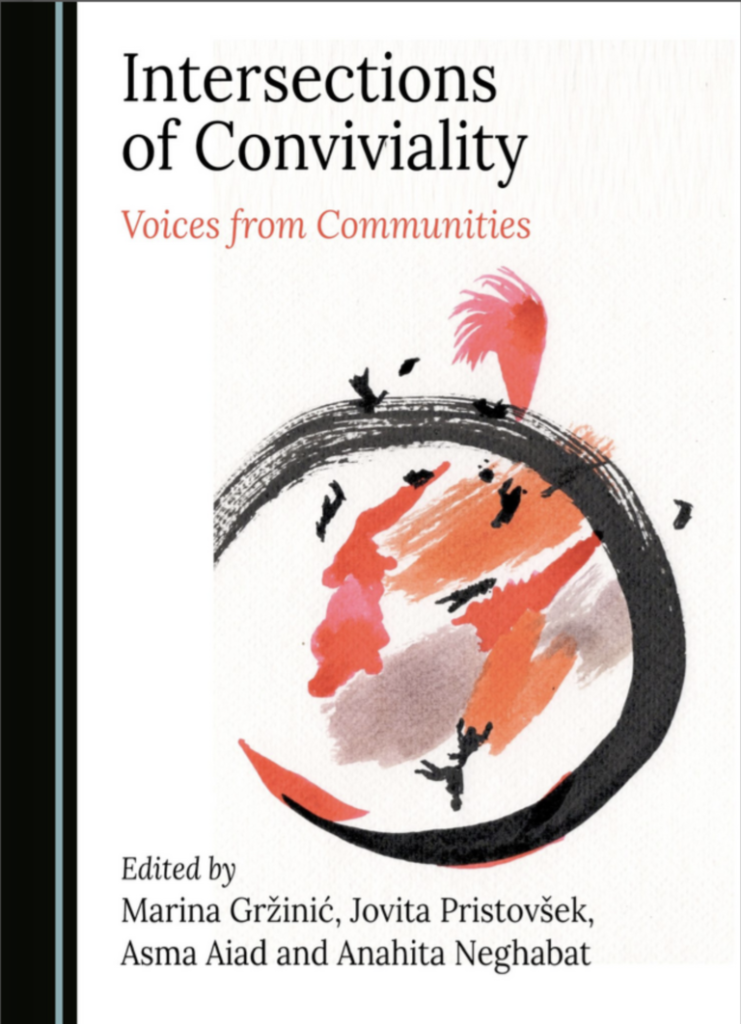
Intersections of Conviviality. Voices from Communities

This book explores the nuanced dynamics that shape conviviality and examines the different ways in which individuals within communities navigate the challenges of the neoliberal, racializing European landscape by forming alliances that transcend identity, geographical and cultural boundaries. This book offers a very renewed reflection on different communities that are largely marginalized, Black and POC communities, Muslim communities and Trans*, building their context around identities such as migration, LGBTQI+ etc. and thinking out loud about institutional and structural racism, inequalities and also empowerment. Through personal narratives, academic analysis and artistic expression, the book creates a map of stories and narratives that celebrate the potential of communities and conviviality as a way forward. This book aims to make the voices of these communities heard and provides a platform for their stories, struggles, collective experiences, hopes and visions for the future.

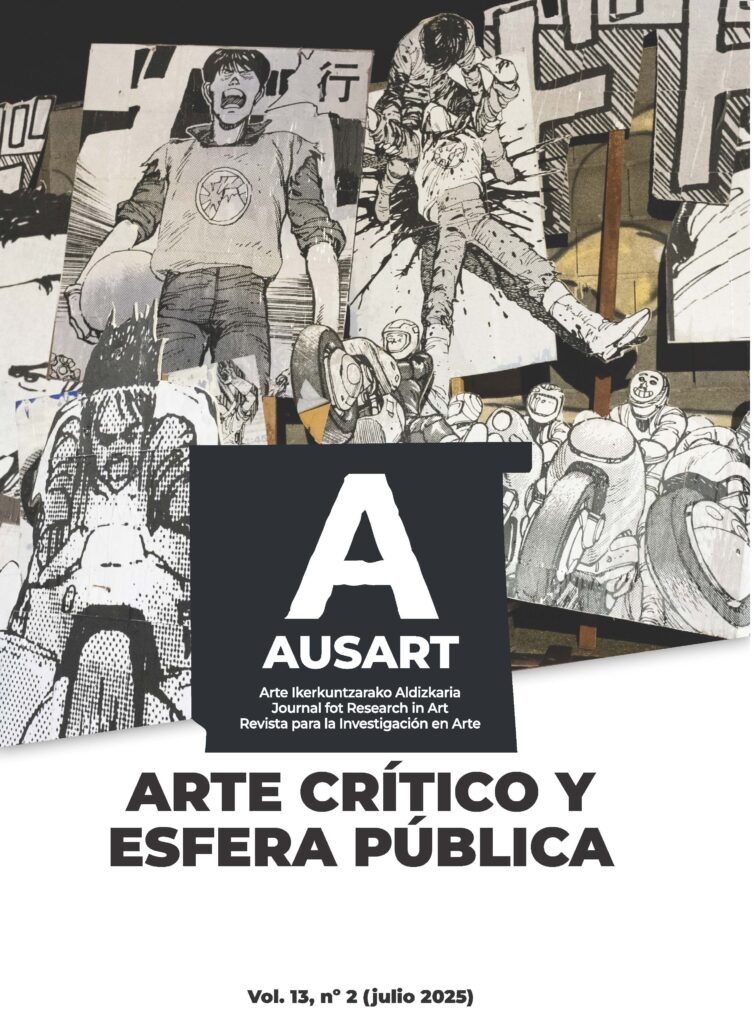
Arte crítico y esfera pública / AusArt Vol. 13 Núm. 2 (2025)

Con motivo del cercano 25 aniversario del libro colectivo Modos de hacer: Arte crítico, esfera pública y acción directa (Salamanca, 2001), AusArt quiere rendirle homenaje con un número monográfico que trata de explorar las intersecciones entre el arte crítico y la esfera pública en un mundo de dinámicas sociales y políticas cambiantes. Para ello hemos tratado de reunir voces y perspectivas diversas que planteen una revisión actualizada en torno a los contenidos de aquel Modos de hacer: explorar cómo el arte crítico puede influir en la esfera pública y fomentar un diálogo significativo entre el arte, la cultura y la sociedad.(…)

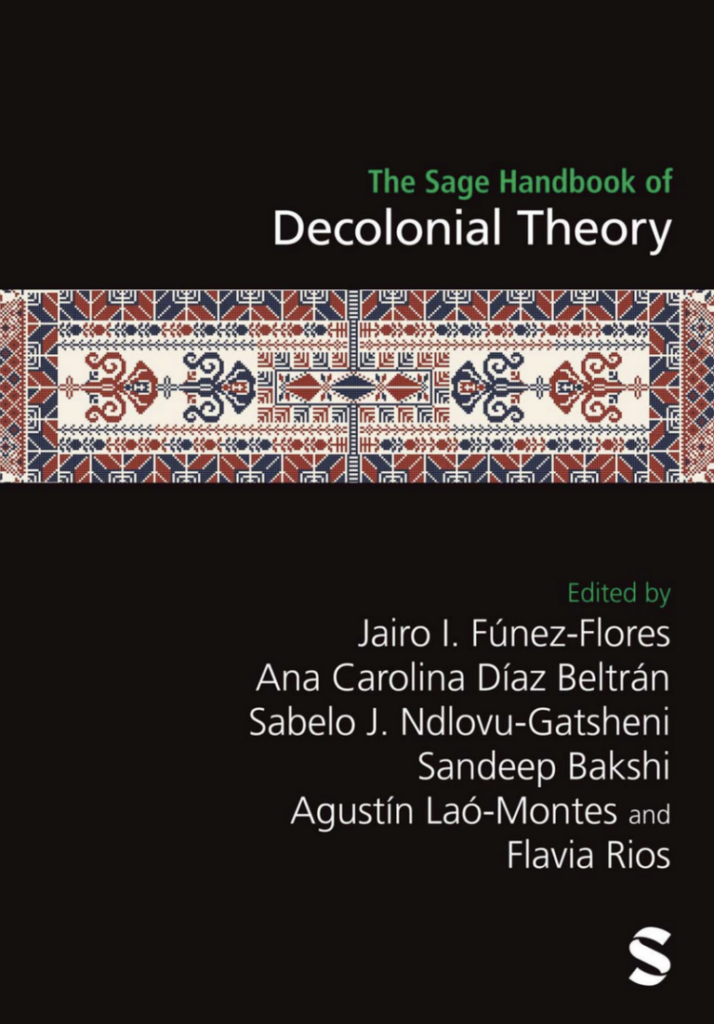
The Sage Handbook of Decolonial Theory

Edited by: Jairo I. Fúnez-Flores – Texas Tech University, USA, Ana Carolina Díaz Beltrán – University of Texas Rio Grande Valley, Sabelo J. Ndlovu-Gatsheni – University of South Africa, Sandeep Bakshi – Université Paris Cité, Augustin Lao-Montes – University of Massachusets, Amherst, USA, Flavia Rios – Fluminense Federal University, Brazil

The Sage Handbook of Decolonial Theory is a groundbreaking transdisciplinary resource that expands the epistemological and geographical horizons of decolonial thought. This handbook prioritizes the Global South, fostering South-North and South-South inter-epistemic dialogues and situating decolonial thought in sites of struggle. It builds on decolonial thought and praxis from Latin America and the Caribbean, Africa, Asia, and Palestine, among other regions and countries. Addressing the erasure of knowledge production from the Global South in dominant academic spaces, this handbook brings together decolonial scholars and activist intellectuals from the Global South and engages with politically committed scholars in the Global North. It emphasizes the geopolitics and ethics of knowledge production and the importance of situating one’s work in historically excluded regions and communities.

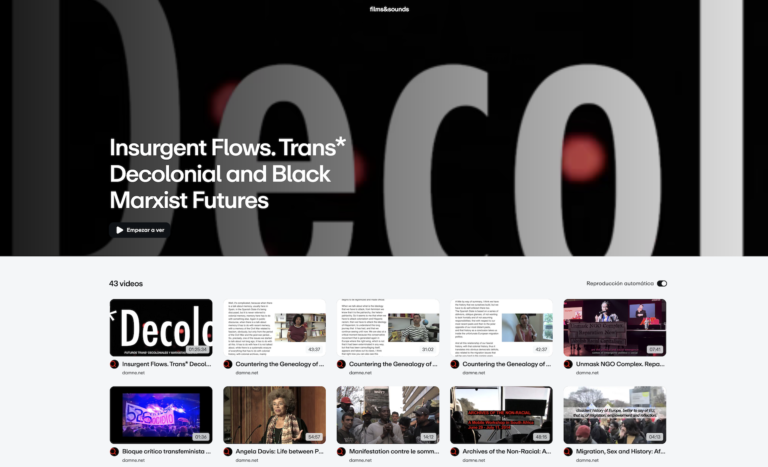
films & sounds


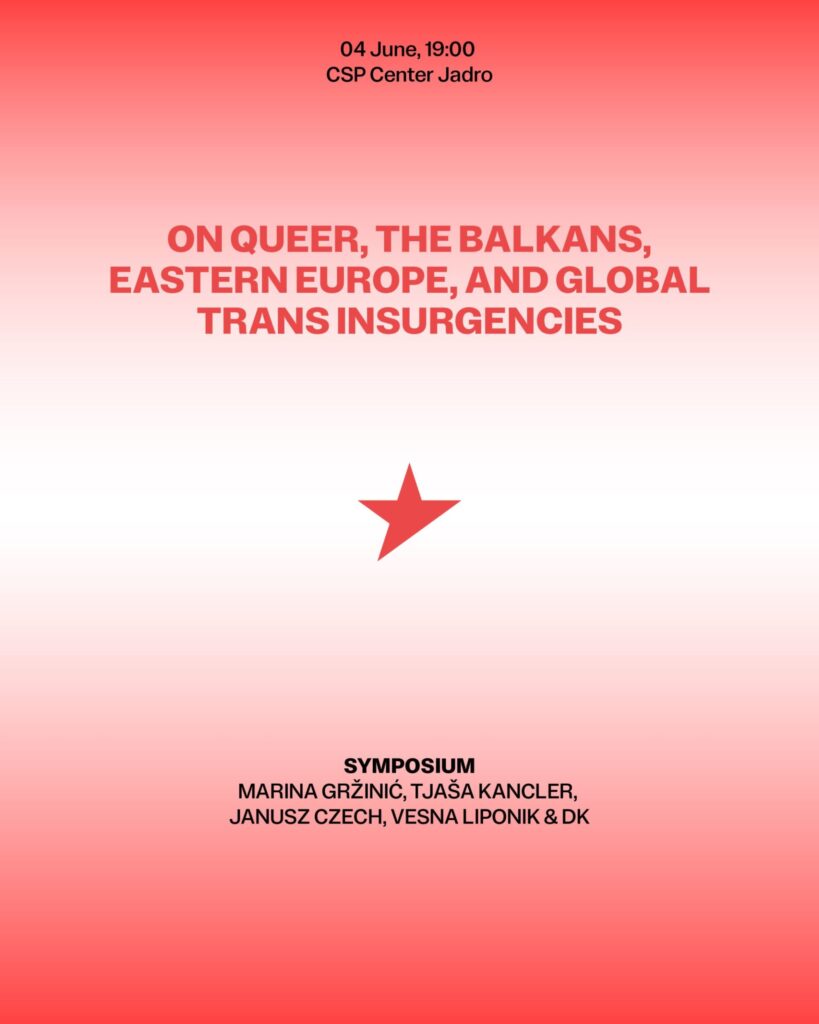
Symposium: On Queer, the Balkans, Eastern Europe, and Global Trans* Insurgencies

This symposium explores the intersections of queer and LGBT histories in the Balkans, Slovenia, and Eastern Europe, with broader connections to global trans* insurgencies. It brings together queer theory, political critique, and trans resistance to examine how lesbians, gays, queers, punks, and trans communities have historically—and continue to—confront state power and societal norms. Central themes include poetry, film, photography, radical expression, the body and identity, and the relationship between LGBT, queer, and trans movements and activism. The symposium also engages with decolonial and anti-racist struggles, questioning how these histories are erased or overlooked in dominant narratives. The aim is to reconstruct and amplify alternative histories while envisioning future queer and trans* uprisings within leftist political movements.